Our trimestral reports are written by Susan Laker for our Kampala programs and by Aidah Nambozo for our Jinja programs. In addition to our Child-Sponsorship Program, we run additional programs throughout the year benefiting the children and their communities.
This report presents the activities and progress of the 22STARS Foundation programs in Jinja and Kampala during the third trimester of 2026, covering July, August and September. We also invite you to check out our Instagram stories to find out more about the activities that we carried out during this time.
1. EDUCATION
Kampala
During the third quarter of 2026, the Education Program continued to provide consistent support to all sponsored children, with regular follow-up with schools and families to monitor attendance, academic performance, discipline and general wellbeing.
Throughout July, learners attended school regularly and continued making good academic progress. Routine monitoring visits were conducted at Hopeland Junior School, Hopeland High School and Elgon. Computer classes for non-boarding children also continued at the centre, providing beneficiaries with essential digital skills.
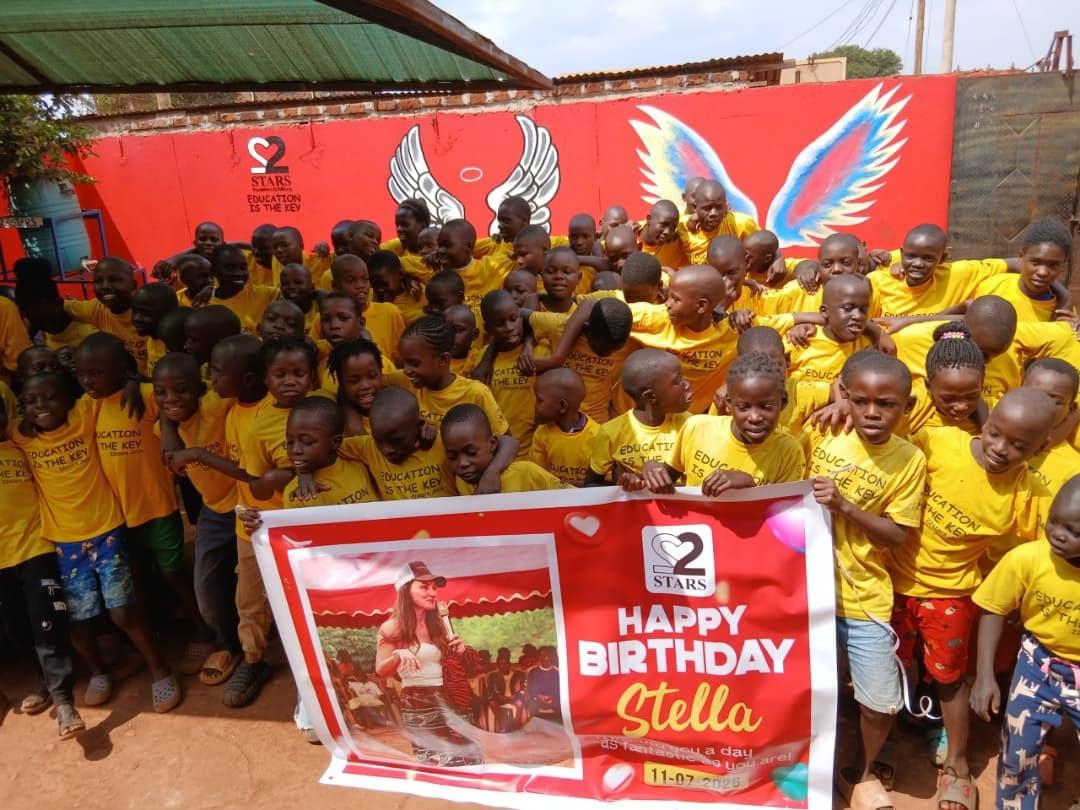
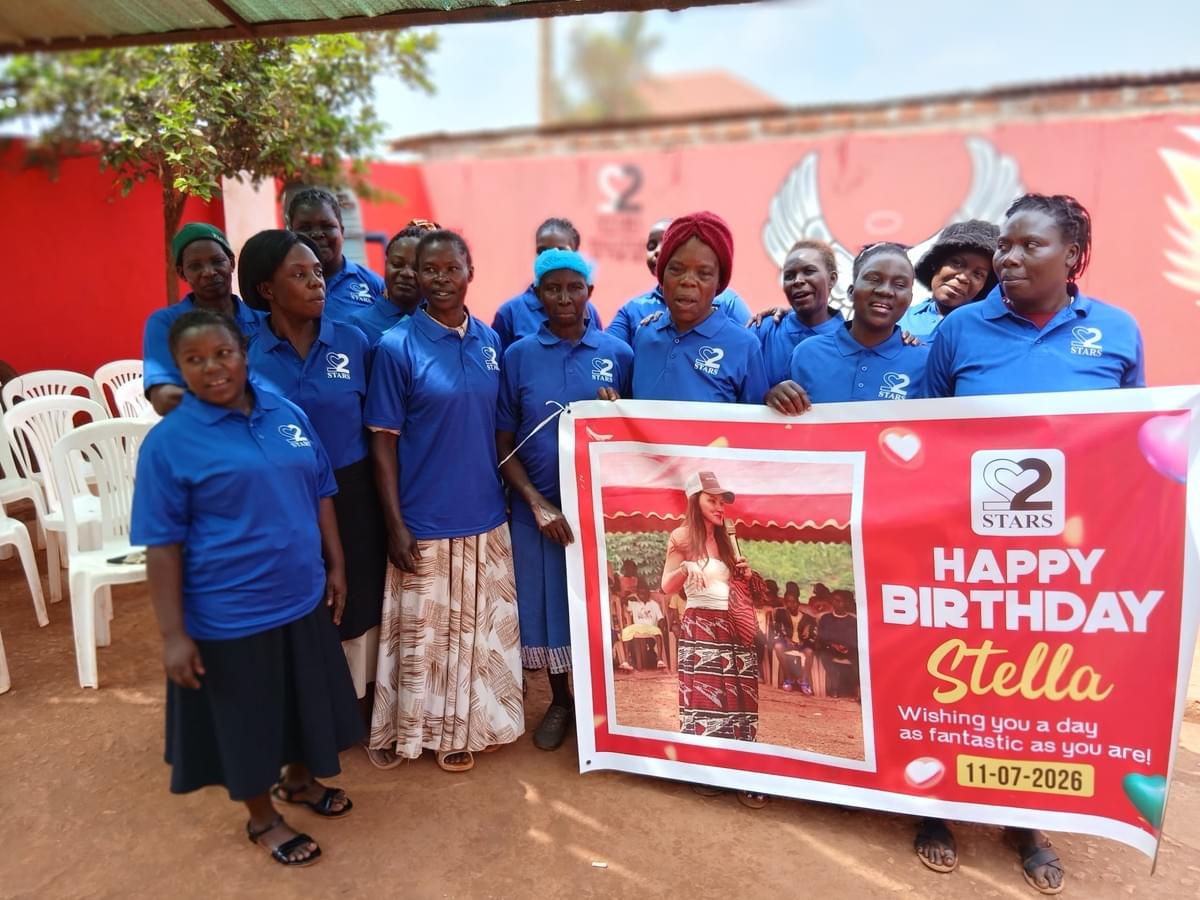
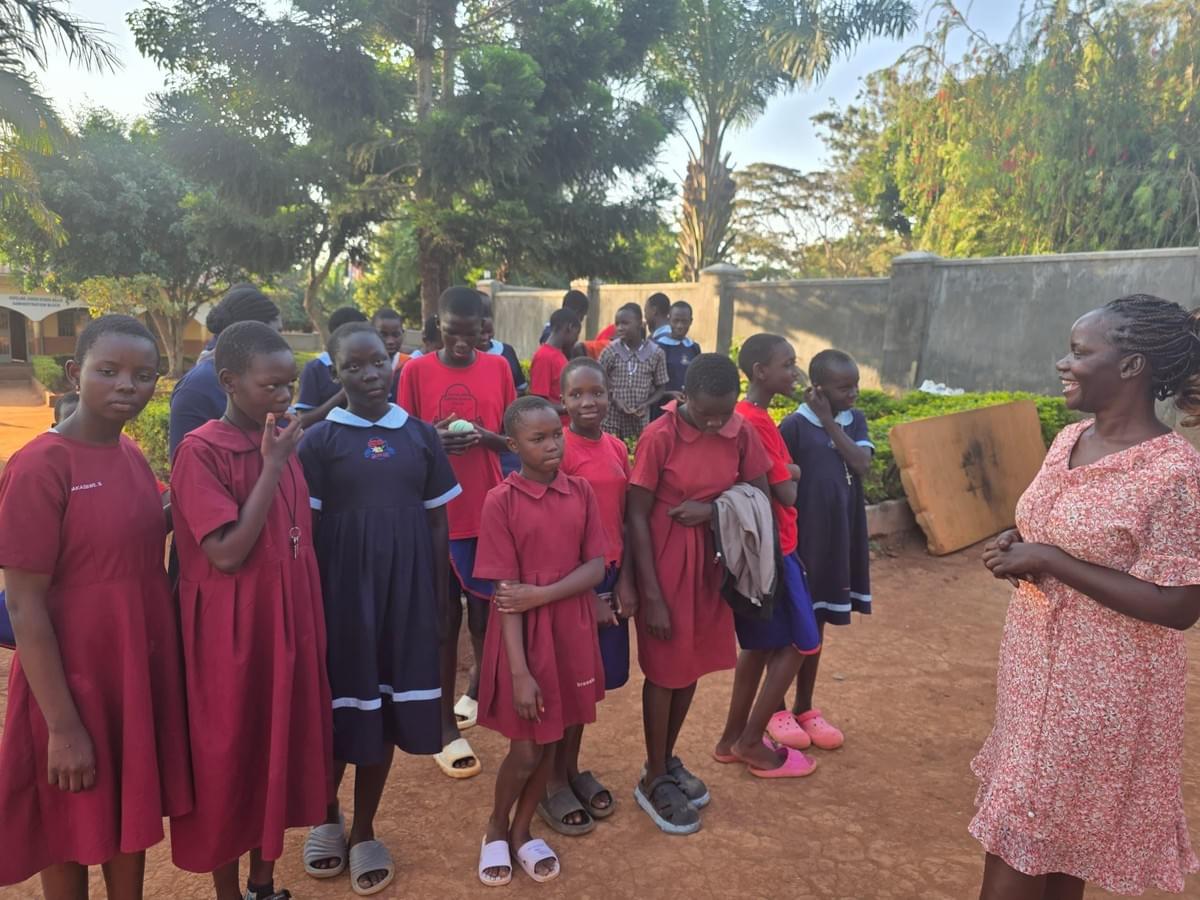
On 11 July, the Foundation organised a school visitation day at Hopeland Junior School and Hopeland High School. Staff, volunteers and beneficiaries spent time together, sharing meals and participating in activities. The children also joined staff in celebrating the 41st birthday of Stella Airoldi Romana, Founder of 22STARS Foundation. The occasion created a joyful opportunity for connection and strengthened the children's sense of belonging within the Foundation community.
During August, schools completed the second term. All sponsored children continued to receive educational support, and the Foundation maintained communication with schools and families throughout the school holiday period. The Sunday programme and other activities at the centre also provided opportunities for continued engagement with the children.
Term Three officially began on 14 September. Boarding students at Hopeland schools travelled to school on 13 September so that they could settle in before classes resumed. Children attending Elgon Infant School returned on 14 September, in line with the official school calendar. The Foundation continued monitoring attendance, adjustment to the new term, academic participation and general welfare.
Throughout the quarter, the Foundation continued to support children preparing for their national examinations and maintained its commitment to ensuring that sponsored children remain in school and receive the guidance necessary to progress academically.
Jinja
The Education Programme continued to support all sponsored children throughout the quarter, with regular monitoring of academic progress, attendance and welfare.
In July, all primary and secondary school children remained in school and continued working hard in preparation for their end-of-term examinations. Particular attention was given to learners in Primary Seven, Senior Four and Senior Six, who were preparing for mock examinations designed to assess their readiness for the national transitional examinations later in the year.
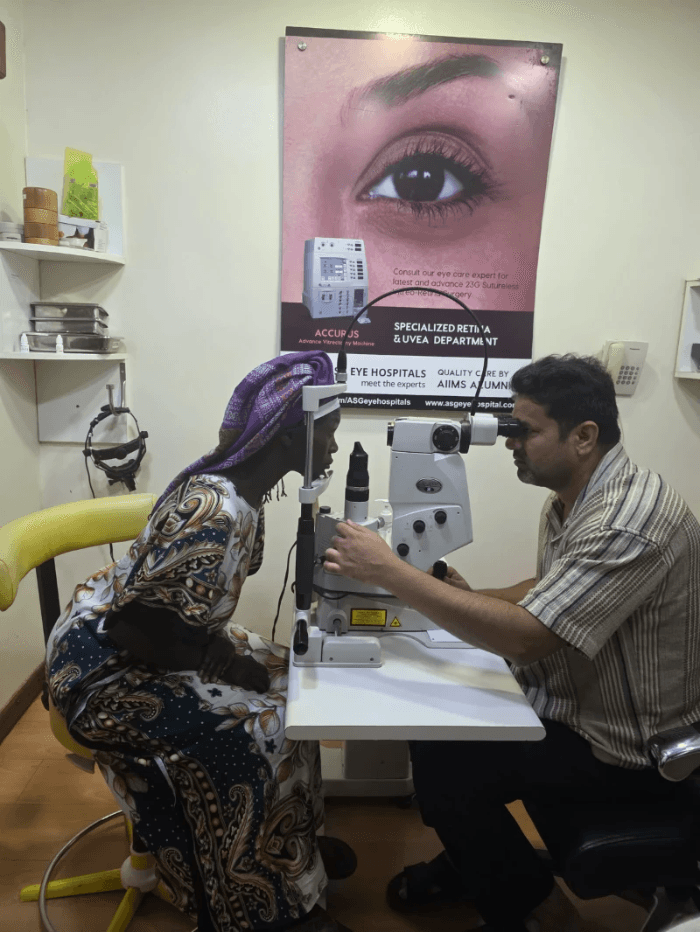
Children from Kyamalibwa were given the opportunity to participate in an internship under the Eye Programme supported by the Foundation.
Computer literacy classes continued successfully throughout the quarter. During July, classes were held in the evenings after normal school hours. The programme has become increasingly valuable for secondary school students, many of whom are now required to use computers for research and school assignments.
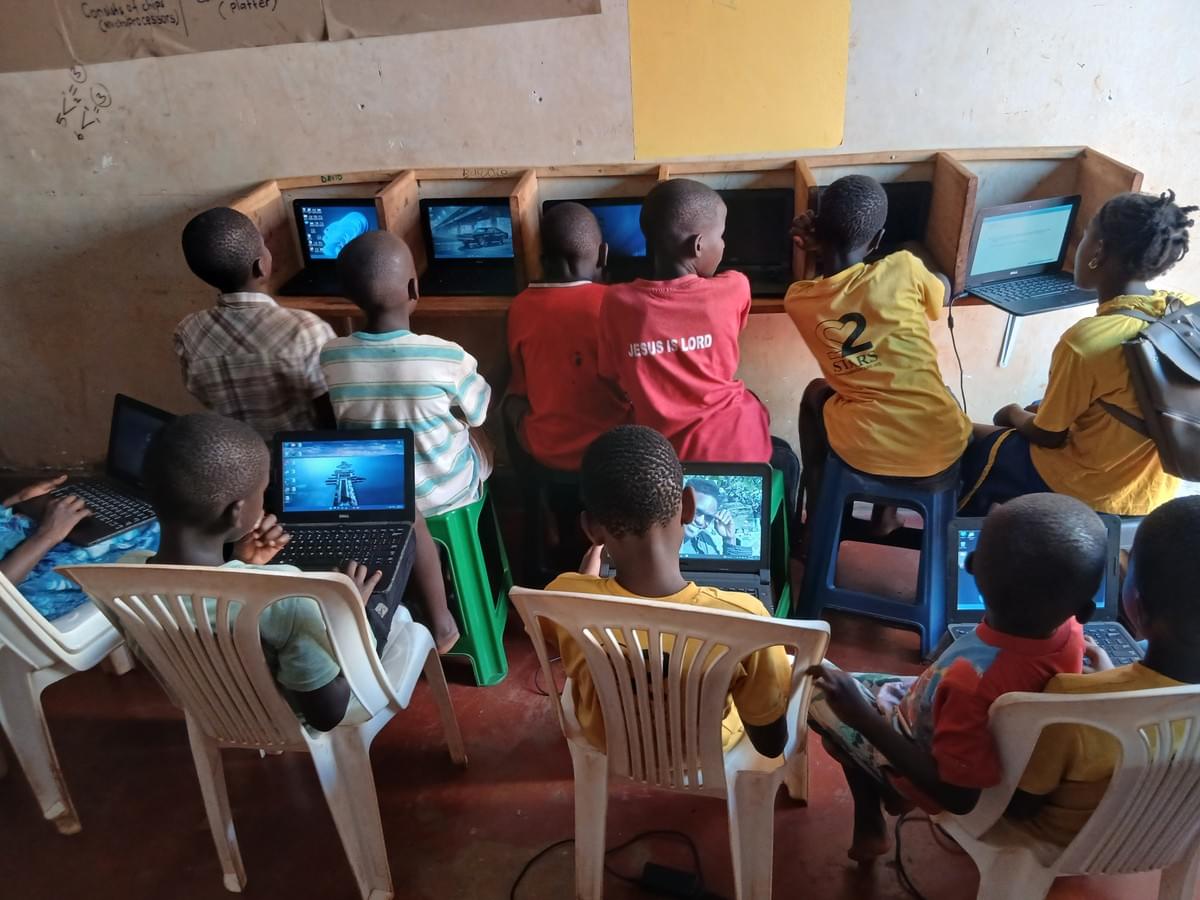
During the school holiday period, the centre became a full and active learning environment, with computer literacy classes, folk music practice and self-practice sessions for Western music students, including instrumentalists and vocalists.
In September, Term Three began on 14 September, and all sponsored children successfully returned to school. Candidate classes continued their preparation for the national transitional examinations. Part of the Term Three school fees was also paid during the month, supporting a smooth start to the new term.
During the first two weeks of September, children who were still on holiday continued participating in centre-based activities, including MDD and computer literacy. Once schools reopened, the after-school programmes returned to a blended mode of implementation.
2. NUTRITION PROGRAM
Kampala
The Nutrition Programme continued to provide regular support to children throughout the third quarter.
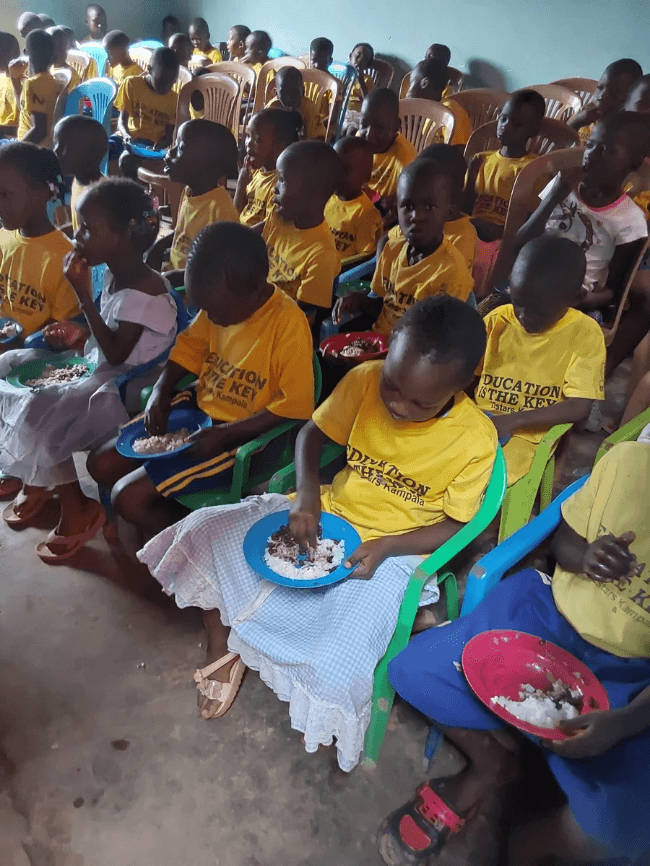
The Sunday nutrition programme continued during July and August, and the programme continued every Sunday, serving approximately 252 children per session. Meals included rice with groundnut sauce and silver fish, as well as posho and beans. Beyond providing food, the Sunday gatherings also created an opportunity for mentorship and guidance, with staff encouraging children to remain focused on their education and to develop positive values such as discipline and responsibility.
The Sunday lunch programme continued in September after the children returned to school. The gatherings remained an important space not only for providing nutritious meals but also for mentorship, life-skills guidance and regular contact with beneficiaries.
The Foundation remains committed to ensuring that children have access to regular nutritious meals as part of its holistic approach to child development.
Jinja
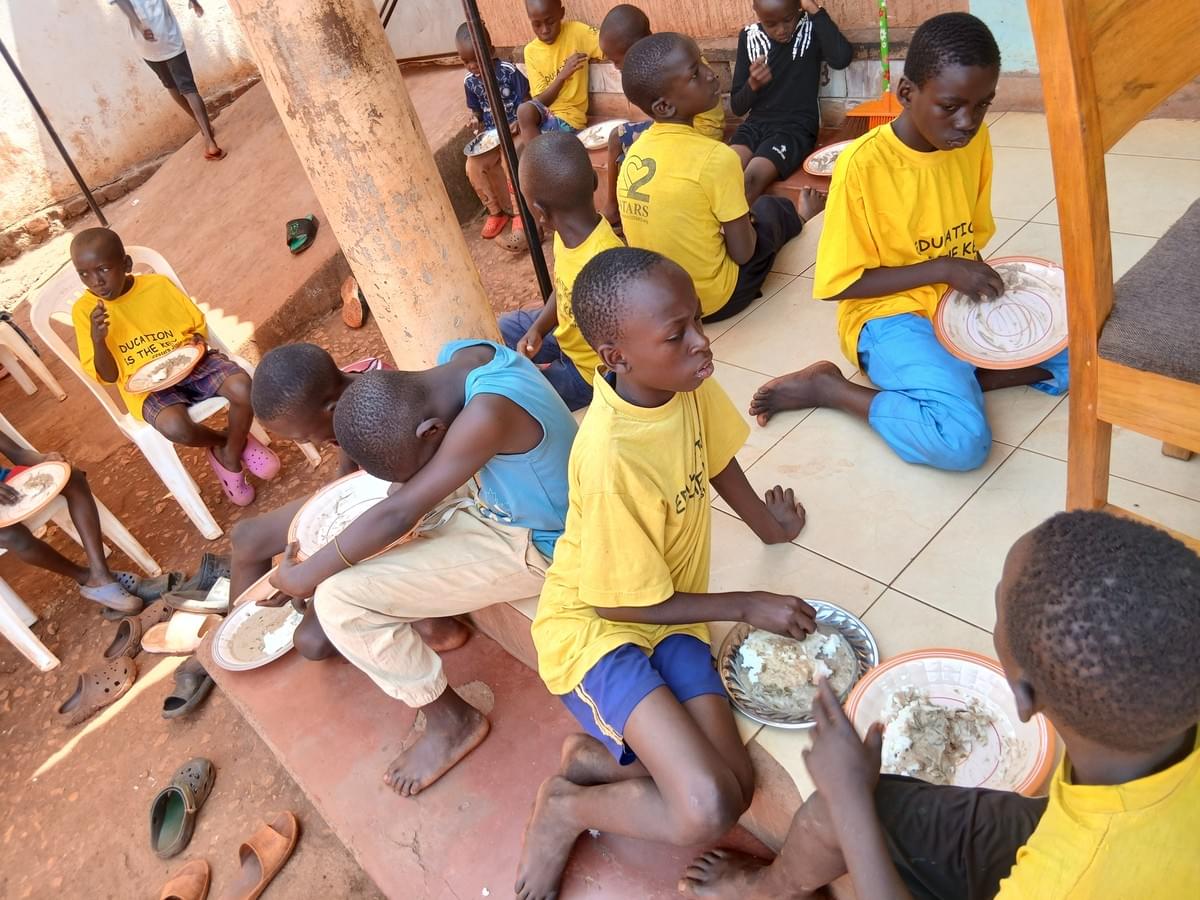
The Saturday Nutrition Programme continued consistently throughout the quarter.
Children gathered at the Jinja centre every Saturday to receive hot meals. The programme provides important nutritional support, particularly for children whose families experience difficulties providing sufficient food.
During August, it became increasingly clear that some children were relying on the Saturday meal at the centre as one of the only reliable meals they received during the week. These children were identified as priority beneficiaries for the emergency food response programme connected to the maize field.
The Foundation also noted that inadequate nutrition may be contributing to poor academic performance among some children, particularly those attending day schools. The weekly nutrition programme therefore continues to play an important role not only in supporting children's health and development, but also in helping them remain focused and engaged in their education.
In September, approximately 150 children and their households were identified as beneficiaries of the emergency food response programme, while the regular Saturday hot-meal programme continued at the centre.
The Foundation is grateful to the donors whose support makes this weekly family meal possible for the children and staff in Jinja.
3. HEALTH PROGRAM
Kampala
The overall health of the children remained generally stable during the quarter, although several beneficiaries required medical attention.
In July, a number of children experienced common illnesses and received appropriate treatment and follow-up care. The children included Lamara Blessing, Lamara Elizabeth, Akot Elizabeth, Amongin Tracy, Agnenorwot Faith Akello, Lamunu Angella, Achom Monica, Aber Irene, Aber Mercy and Adong Noreen Rose. Their health conditions improved following treatment.
A particularly important medical intervention took place on 27 July, when beneficiary Lacuia Zainah successfully underwent eye surgery following specialist assessment and recommendation. She recovered well following the procedure, with the Foundation maintaining contact with her caregivers and medical team to ensure appropriate follow-up care.
In August, Agenorwot Melisa, Atim Esther Natasha and Athieno Rosa became ill and received the necessary medical treatment and support. The remaining children were reported to be in good health.
During September, the Foundation continued to emphasise preventive healthcare, hygiene awareness and regular wellness monitoring as children returned to school for Term Three.
The Foundation remains committed to ensuring that beneficiaries receive timely medical attention whenever health concerns arise and that their wellbeing is closely monitored.
Jinja
The overall health of the children remained stable during the quarter, with only a limited number of cases requiring medical attention.
In July, one child, Byaruhanga, was diagnosed with severe ulcers and received the necessary care and support.
In August Mukyala Rachael, was reported to have been bedridden for approximately two weeks. Unfortunately, this coincided with the period of the end-of-term examinations, meaning that she was unable to sit for her examinations during the illness.
In September, no health-related cases were reported among the beneficiaries. The Foundation continued to encourage families to take responsibility for accessing appropriate medical services when necessary, while maintaining follow-up and monitoring of the children's general wellbeing.
4. VARIA PROGRAMS
Kampala
The third quarter included several activities aimed at strengthening community engagement, environmental awareness, family support and the Foundation's infrastructure.
In July, the Uganda team participated in an online meeting organised by Stella for the launch and discussion of the Uganda video documentary produced by Jannik Gramm. Team members shared their experiences and reflections about the Foundation's work and the lives of the beneficiaries.
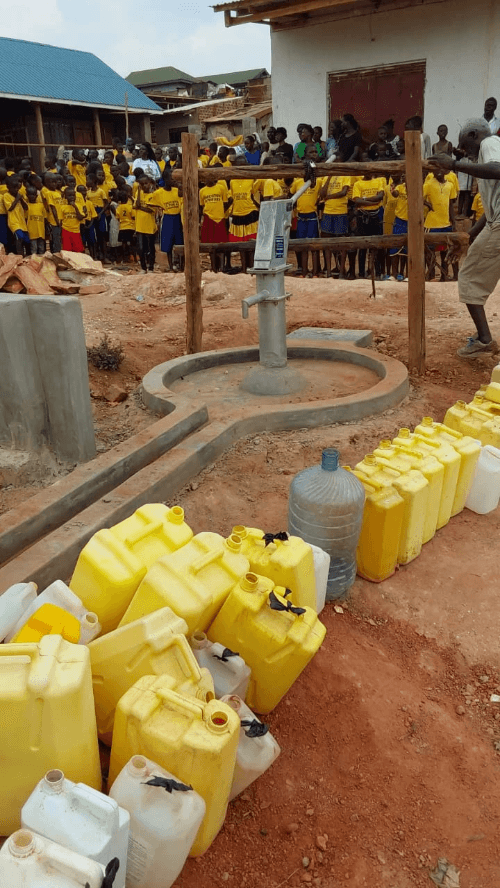
During the same month, installation works commenced for the third borehole funded through a donation from 22STARS Foundation. Once completed, the borehole is expected to improve access to clean and safe water for beneficiaries and the surrounding community.
A significant milestone was reached in August with the completion and commissioning of the Acholi Works Banda B1 borehole. Construction began on 7 July and was completed on 8 August. The new borehole will improve access to clean water while supporting better health and hygiene for beneficiaries and surrounding families.
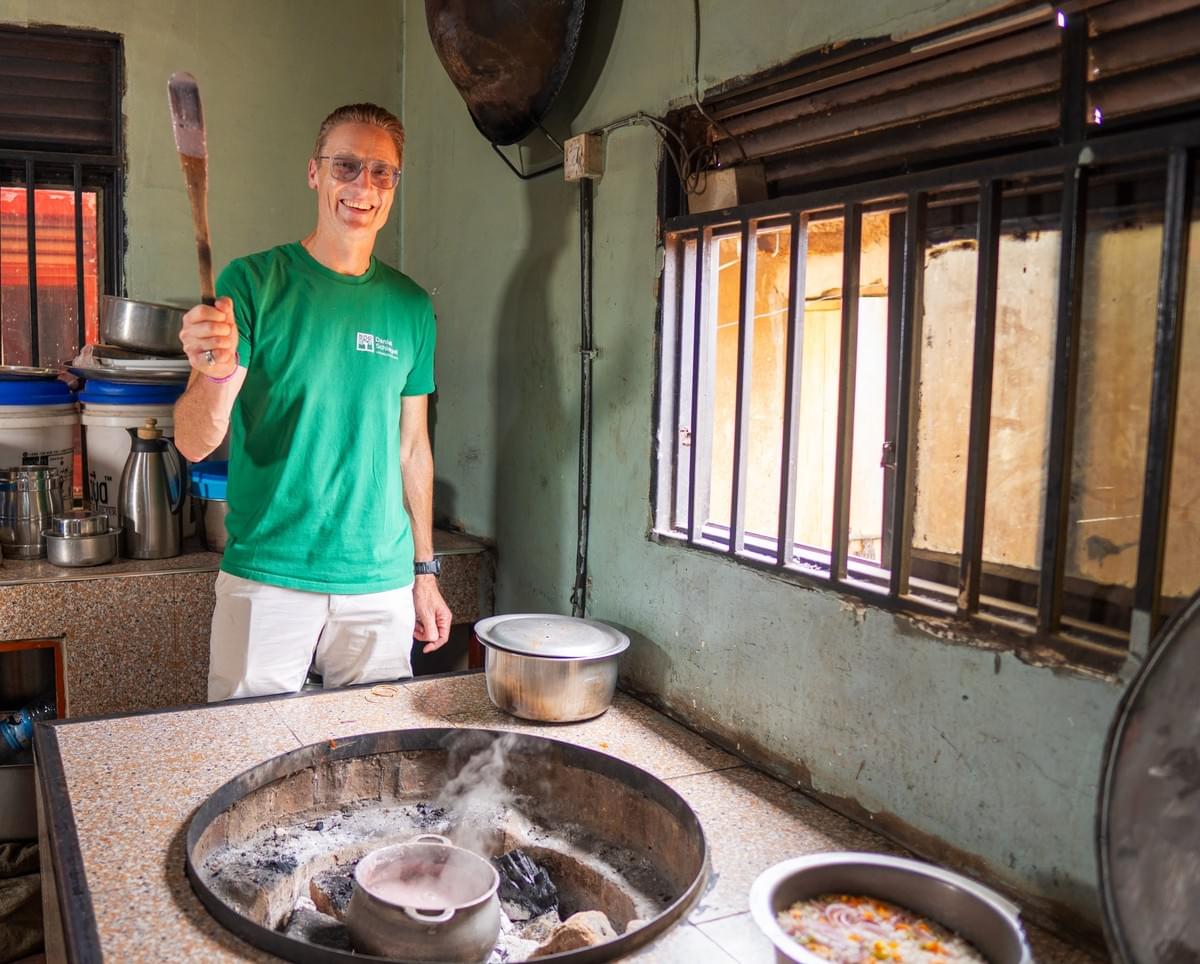
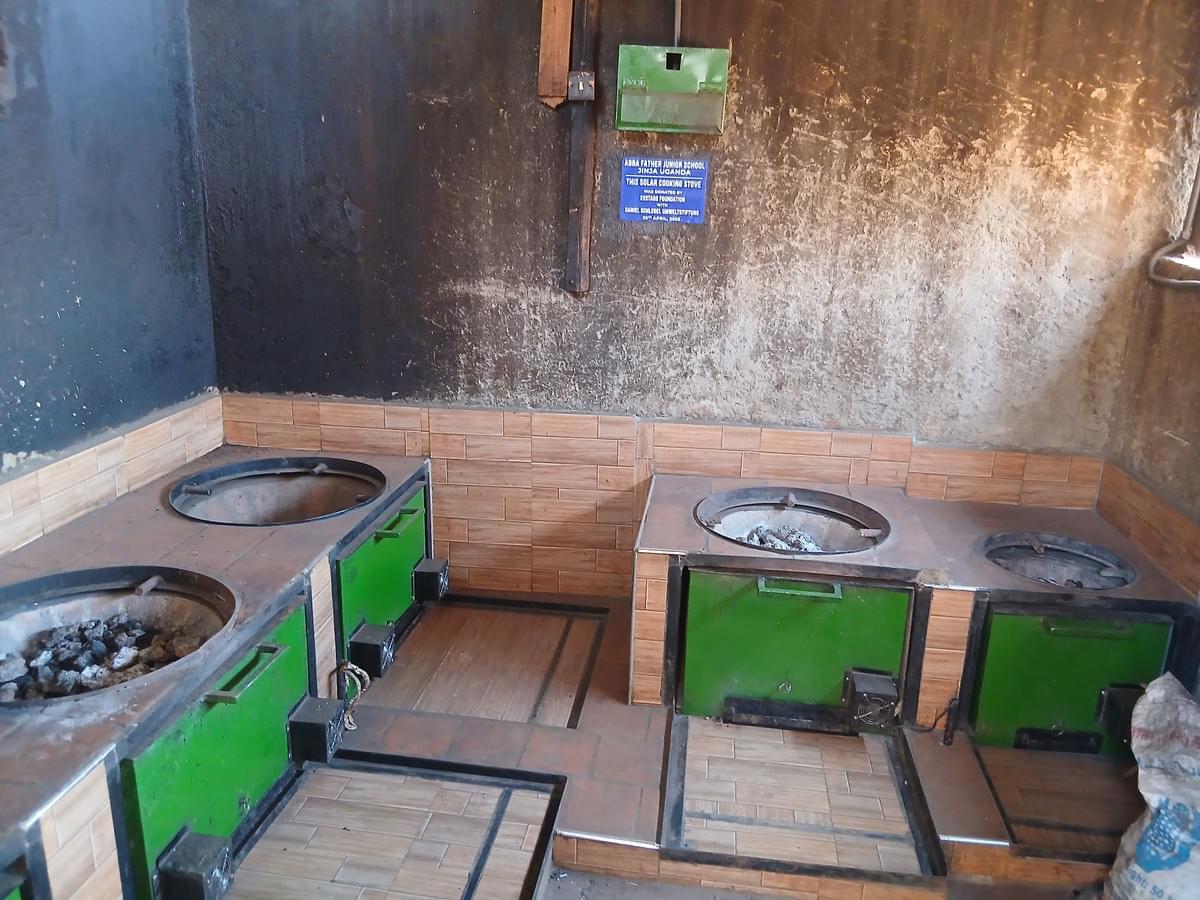
In September, the Foundation welcomed representatives of Daniel Schlegel Umweltstiftung for a special visit. The visit focused particularly on the Solar Eco Stove systems installed at the 22STARS Kampala Centre and Elgon Infant School. The visitors had the opportunity to observe how the systems are being used and to discuss their contribution to cleaner cooking, improved efficiency and reduced reliance on conventional fuels.
At the Kampala centre, the Solar Eco Stove continues to support meal preparation for beneficiaries, staff, volunteers and programme participants. At Elgon Infant School, the Eco Burners support the school's cooking needs while reducing reliance on traditional firewood cooking.
Jinja
The third quarter included several activities focused on family engagement, environmental awareness, education and economic empowerment.
In July, the Jinja team participated in class visitations and class days and continued working closely with schools and parents. The Foundation also supported one of its partner medical personnel following the loss of a parent, with the team and Jinja parents attending the burial ceremony to offer their support.
A parents' meeting was held to discuss plans for lower-class children and to encourage parents to work together with educators in developing an engaging holiday programme.
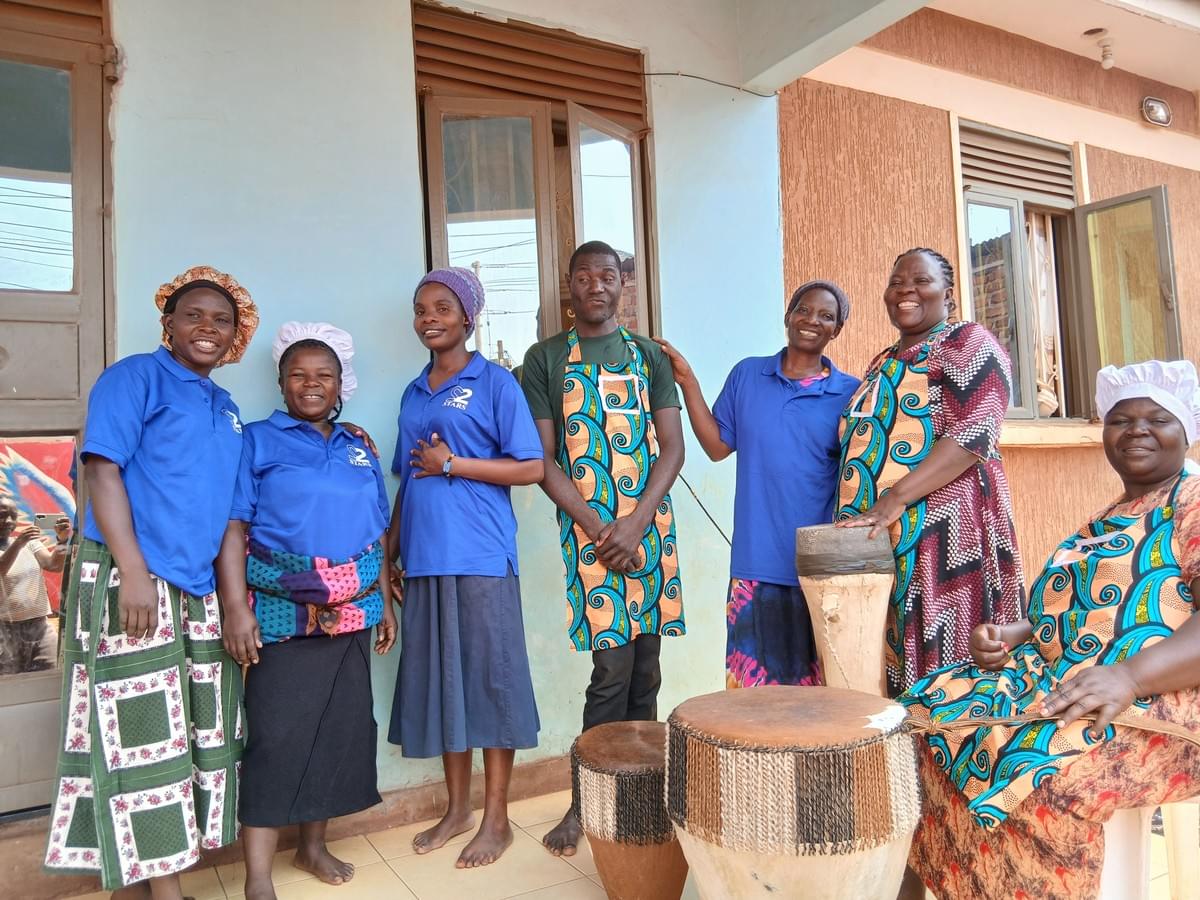
The small business group continued to operate successfully throughout the quarter. Beneficiaries met at the centre every Monday according to their established schedule. The participating women expressed their gratitude to the donors whose support helped revive the initiative, enabling some beneficiaries to strengthen existing businesses while allowing others to start income-generating activities.
In August, the Jinja team participated in the National Cleaning Day activities together with children and other community members. The initiative promoted environmental awareness, hygiene and community responsibility.
An end-of-month meeting was also held with parents and a career guidance counsellor from the CDO's office. Particular attention was given to children in candidate classes. Discussions focused on school visits, boarding students, decision-making for Senior Four students approaching the end of their sponsorship period, and guidance for Senior Six students as they prepare to transition towards alumni status after completing their third term.
In September, staff and some children again joined the national cleaning initiative held on the last Saturday of the month.
A parents' meeting was held at the end of the month, with particular attention given to families of children in candidate classes. The meeting focused on preparing children to return to school for Term Three, ensuring they had the necessary scholastic materials, supporting their academic focus, and encouraging parents to participate in school visits and visitation days.
The small business group continued to meet every Monday and remained active throughout the quarter, providing participating women with opportunities to generate their own income and strengthen their economic independence.
The third quarter of 2026 demonstrated the continued commitment of 22STARS Foundation to supporting children and families in Kampala and Jinja through a holistic approach combining education, nutrition, healthcare, community engagement and economic empowerment.
Education remained at the heart of the Foundation's work, with sponsored children successfully completing Term Two and returning to school for the final term of the academic year. Particular attention continued to be given to candidates preparing for their national examinations.
The Nutrition Program remained an essential source of support for children and families, while the emergency food response in Jinja identified particularly vulnerable households requiring additional assistance.
The quarter also saw important developments in access to clean water, including the completion and commissioning of the Acholi Works Banda B1 borehole in Kampala, as well as continued work on additional water infrastructure.
Environmental initiatives, including the National Cleaning Programme and the continued use of Solar Eco Stove systems, further strengthened the Foundation's commitment to healthier and more sustainable communities.
At the same time, the small business initiative continued to empower women by helping them strengthen existing businesses and establish new sources of income.
Overall, the July–September period reflected the Foundation's ongoing commitment to ensuring that children not only have access to education, food and healthcare, but also grow within supportive communities that promote dignity, responsibility, opportunity and long-term wellbeing.