Our trimestral reports are written by Susan Laker for our Kampala programs and by Aidah Wafula for our Jinja programs. In addition to our Child-Sponsorship Program we run additional programs throughout the year benefitting all children and their community. This report shows the programs that have been running the trimester April- June 2026. We also invite you to check out our Instagram stories to find out more about the activities that we carried out during this time.
1. EDUCATION
Kampala
During the second quarter of 2026, the Education Program continued to provide consistent support to all sponsored children, ensuring they remained engaged in school and received the guidance needed throughout the transition between school terms.
In April, all children attended school regularly and actively participated in their studies. The Foundation maintained regular communication with schools, teachers, and guardians to monitor attendance, discipline, academic progress, and overall wellbeing. This close collaboration helped identify any challenges early and ensured that children received the support they needed. The first school term ended successfully, and all children returned home safely on 29 April 2026.
During the school holidays in May, staff continued to follow up with families through home visits and regular communication with parents and guardians. These visits helped monitor the children's wellbeing and encouraged them to remain focused on their education while preparing for the next school term.
Term Two began on 25 May 2026 for most private schools, while the remaining schools reopened the following week. All sponsored children reported back to school on time, and the return process was well coordinated with schools and families.
Schools operated normally throughout June. Routine visits were carried out to Hopeland and Elgon schools to monitor the learners' academic progress and strengthen communication with teachers. By 24 June 2026, school fees for all sponsored children had been paid, ensuring uninterrupted access to education.
The Foundation also continued to support children preparing for their transitional examinations. As is customary in Ugandan schools, candidates participated in farewell celebrations before sitting their exams. We are pleased with the commitment our students continue to show and remain hopeful for positive examination results.
Computer classes also continued at the Kampala centre for children who are not in boarding school, helping them build basic digital skills alongside their formal education.
Jinja
The Education Programme continued to support all sponsored children throughout the second quarter of 2026, ensuring they remained engaged in school and received the support needed to succeed academically.
At the end of April, schools officially closed for the first term. The Foundation received and reviewed students' report cards, which showed a noticeable improvement in the performance of primary school learners, while secondary school students demonstrated steady progress. The collection and scanning of report cards continued throughout the period to ensure that sponsors receive updated academic reports.
During the school holidays, children in candidate classes (Primary Seven, Senior Four, and Senior Six) attended holiday study programmes organized by their schools to prepare for the upcoming national examinations. The Foundation also continued to offer full-time computer literacy classes at the Jinja centre for children on holiday, helping them develop valuable digital skills alongside their formal education.
Regular parents' meetings were held throughout the quarter to discuss children's academic performance, reinforce the important role of parents and guardians in supporting education, and encourage consistent participation in the Foundation's Saturday programme, which provides ongoing monitoring and guidance for sponsored children.
Schools reopened for the second term on 25 May 2026, and all sponsored learners successfully returned to their respective schools. The Foundation worked closely with partner schools to ensure a smooth transition back to class, including making advance school fee payments where necessary so that children could report on time. After schools reopened, the computer programme returned to its usual after-school schedule.
During June, the Foundation completed payment of Term Two school fees for all sponsored children. This ensured that learners remained in school without interruption and were able to focus on their studies.
Throughout the quarter, all sponsored children remained enrolled in the programme, with no new admissions or exits. The Foundation remains committed to providing consistent educational support while working closely with schools, families, and learners to promote strong academic performance and long-term success.
2. NUTRITION PROGRAM
Kampala
The Nutrition Program continued to play an important role in supporting the wellbeing of our children throughout the second quarter of 2026.
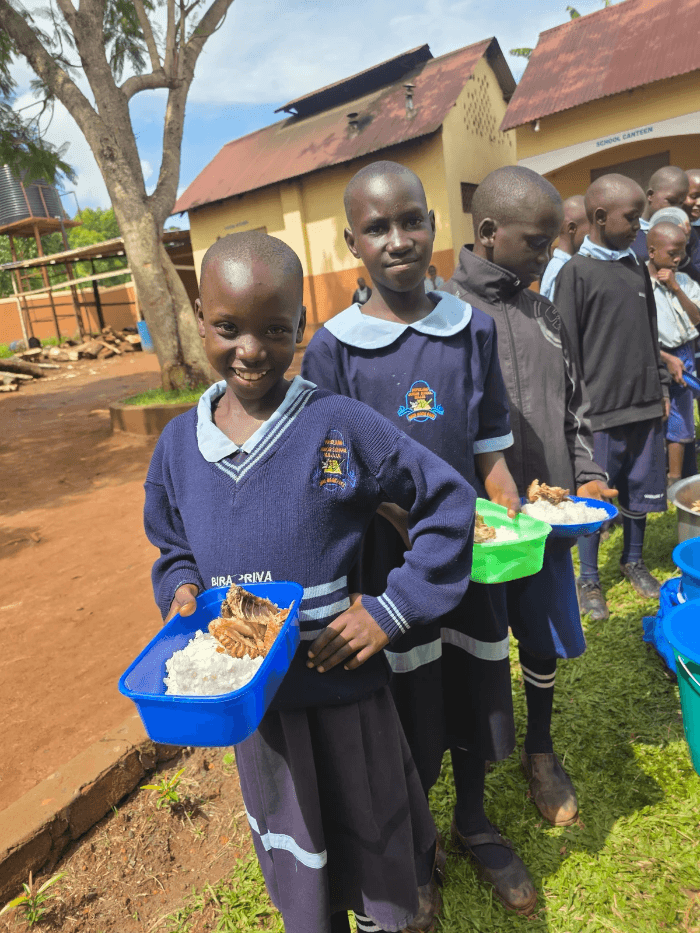
The nutrition program took place every Sunday at the Kampala centre, providing children with a nutritious hot meal in a safe and welcoming environment. Attendance remained high throughout the quarter, with participation increasing significantly after the school holidays as children returned for the weekly gatherings.
Meals served during the quarter included rice with groundnut sauce and silver fish, posho with beans, and posho with cabbage. These meals provided an important source of balanced nutrition, helping to support the children's growth, health, and ability to concentrate both in school and during program activities.
Beyond providing meals, the Sunday gatherings also created an opportunity to engage with the children through guidance and mentorship sessions. Staff encouraged positive values such as discipline, responsibility, and the importance of education, while creating a space where children could interact, learn, and enjoy time together.
The Foundation remains committed to ensuring that every child has access to regular nutritious meals as part of its holistic approach to child development.
Jinja
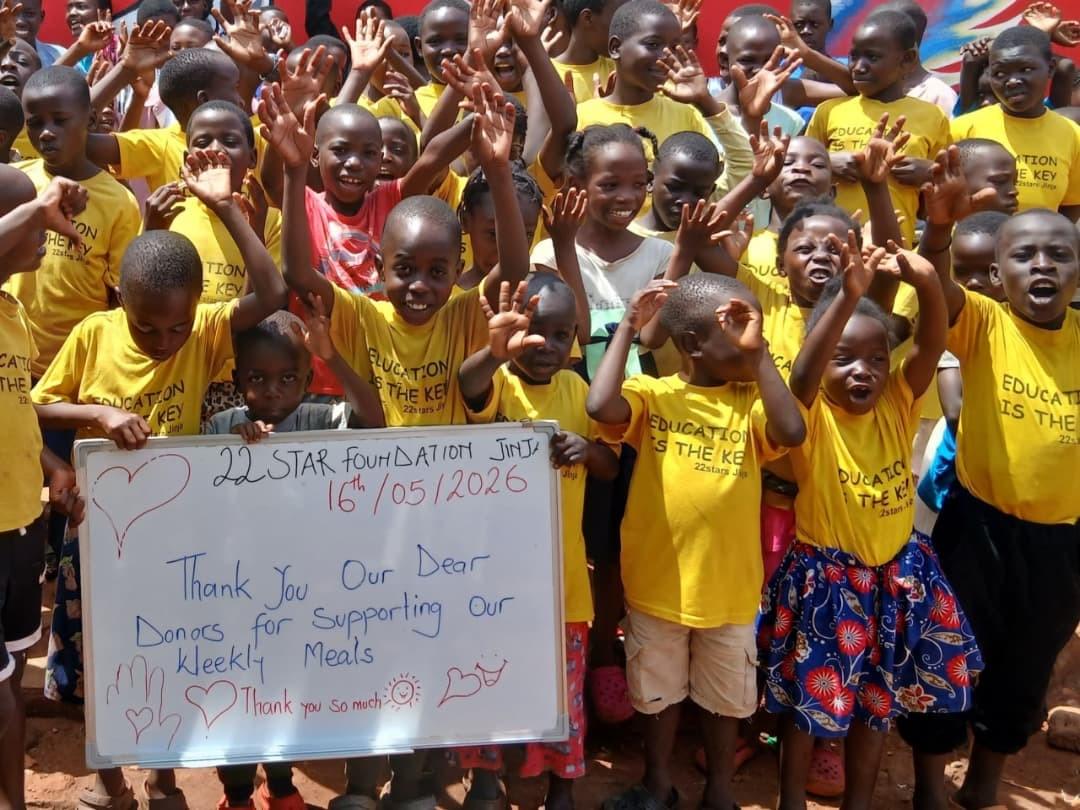
The Nutrition Programme continued to provide consistent support throughout the second quarter of 2026 through the weekly Saturday feeding programme.
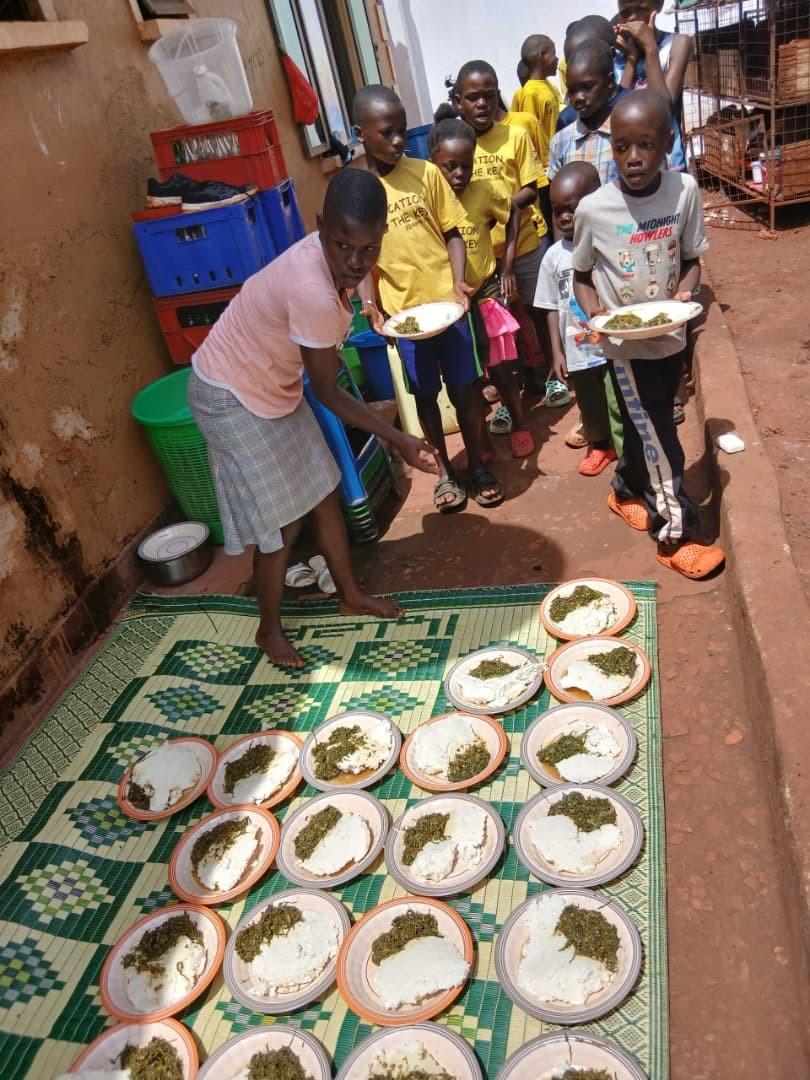
Every Saturday, children gathered at the Jinja centre to enjoy a hot, nutritious meal in a safe and welcoming environment. Meals typically included staples such as posho, beans, and green vegetables, providing children with balanced nutrition to support their health, growth, and learning.
Beyond addressing nutritional needs, the Saturday programme also offered children an opportunity to spend time together, strengthen friendships, and participate in Foundation activities. The continued success of the nutrition programme is made possible through the Foundation's ongoing commitment to ensuring that every sponsored child has access to regular, nutritious meals.
4. HEALTH PROGRAM
Kampala
The health of the children remained generally good throughout the second quarter of 2026.
During April and May, no illnesses were reported among the children, reflecting the effectiveness of the Foundation's ongoing focus on preventive healthcare. Regular monitoring, hygiene awareness, and close communication with families and schools helped ensure that children remained healthy and able to participate fully in both school and programme activities.
In June, only two children from Hopeland Junior School fell ill. They received the necessary medical care, recovered well, and were able to return to their normal school routine. Follow-up checks were carried out to monitor their recovery and ensure their continued wellbeing.
The Foundation will continue to prioritize preventive healthcare and timely medical support to ensure that all children remain healthy and ready to learn.
Jinja
The overall health of the children remained stable throughout the second quarter of 2026, with a few cases requiring medical attention.
During the quarter, Florence developed a severe skin rash that required medical intervention. The Foundation ensured she received treatment at a health centre after the medication initially provided at home proved ineffective.
Two children, Mercy and Joan, also developed severe ulcers while at school. In both cases, the Foundation responded promptly by arranging medical treatment when parents or guardians could not be reached. Both children received the necessary care and continued to be monitored during their recovery.
The Foundation also observed several cases of itchy skin conditions, likely fungal infections, among some upper primary pupils. Discussions have begun with parents and guardians to address the issue through improved hygiene practices and appropriate medical treatment. The situation will continue to be monitored closely, and further interventions will be implemented if needed.
The Foundation remains committed to ensuring that children receive timely medical care whenever health concerns arise and to promoting preventive healthcare through regular monitoring and collaboration with families.
4. VARIA PROGRAMS
Kampala
The second quarter of 2026 was marked by a variety of activities that strengthened relationships with beneficiaries, families, volunteers, sponsors, and the wider community.
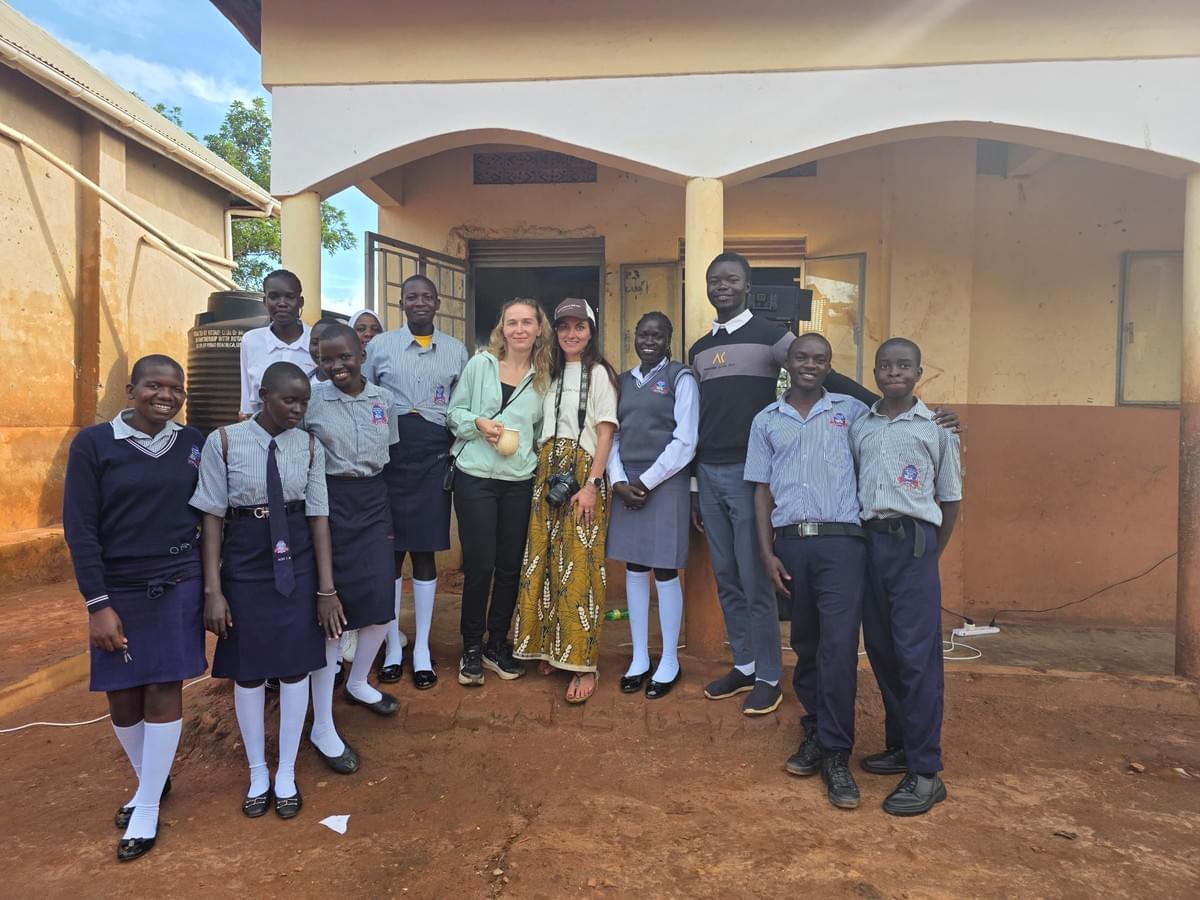
Throughout April, the Foundation welcomed several visitors and supporters from Uganda and abroad who spent time with the children and local community. Their visits provided valuable opportunities for cultural exchange, relationship building, and a deeper understanding of the Foundation's work.
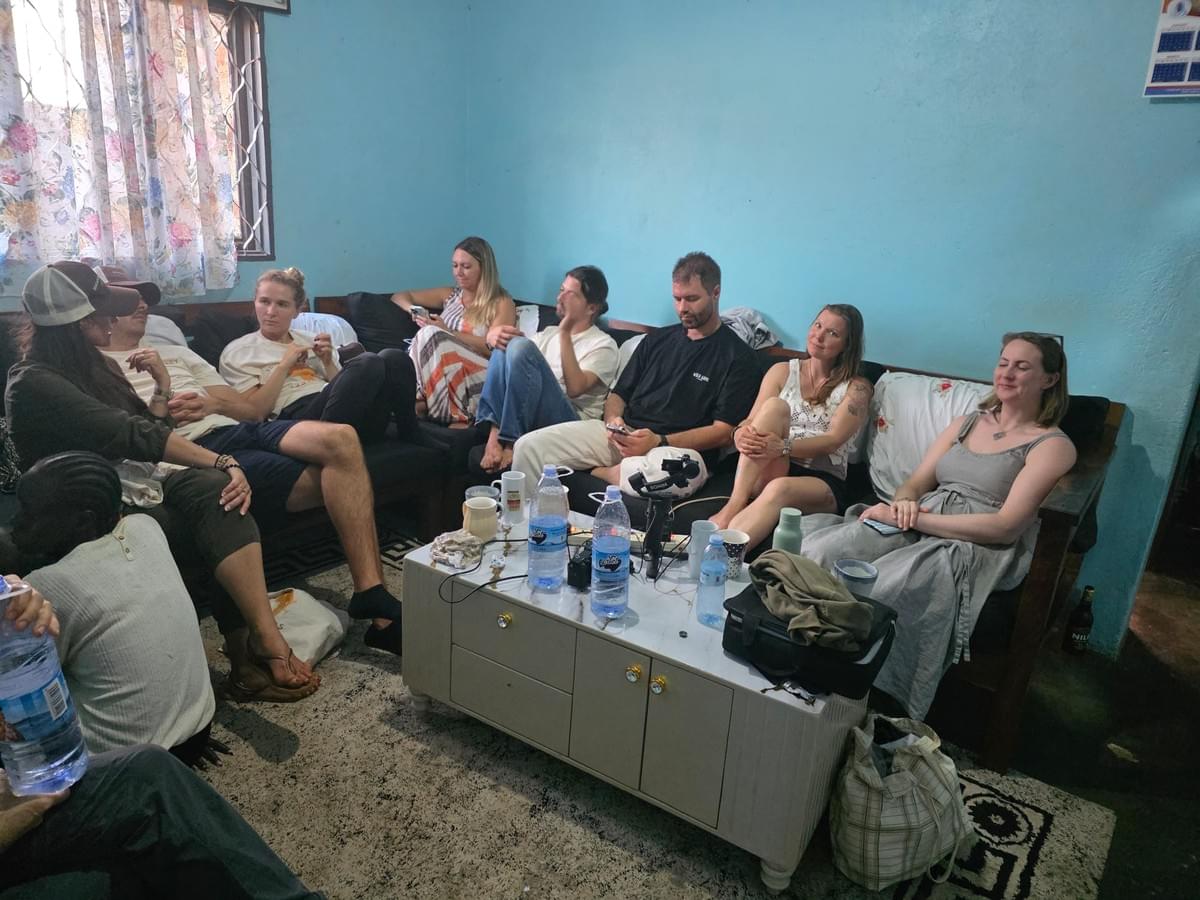
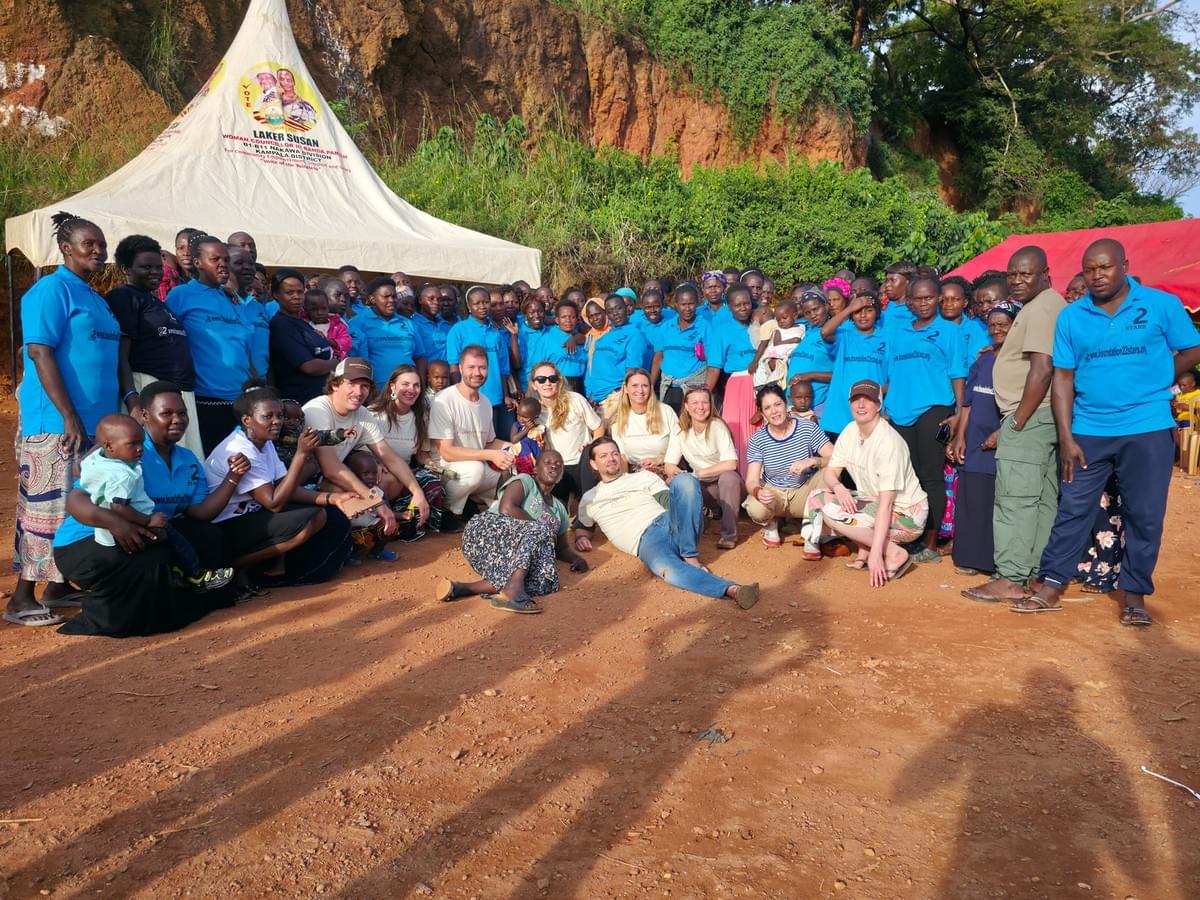
Later in the month, a visit was organized at Hopeland Schools, where boarding students had the opportunity to meet sponsors and Foundation representatives. The children enjoyed a special meal together, creating meaningful moments of connection and reinforcing the support network around them.
The Foundation also continued to strengthen families through its Small Business Loan Initiative. During the quarter, the programme received UGX 8,000,000, which was shared equally between the Kampala and Jinja projects. These loans help caregivers develop small income-generating activities, improving household stability and supporting the long-term wellbeing of the children.
To improve the learning environment, painting and renovation works were carried out at the Kampala centre, creating a cleaner, safer, and more welcoming space for children, staff, and visitors.
In May, the Youth Leadership Programme continued to equip young people with practical leadership, communication, teamwork, and decision-making skills. Through discussions and interactive sessions, participants explored topics such as personal responsibility, goal setting, community service, and becoming positive role models within their communities.
During June, fundraising efforts continued to support the Foundation's programmes, including raising funds for school fees and identifying new sponsors for children still waiting to be matched with a sponsor. These efforts remain essential in ensuring that more children can continue accessing education and other support services.
Overall, the quarter reflected the Foundation's commitment to supporting children not only through education, nutrition, and healthcare, but also by investing in leadership development, community engagement, family empowerment, and sustainable partnerships.
Jinja
The second quarter of 2026 was filled with activities that strengthened community partnerships and supported the Foundation's long-term development goals.
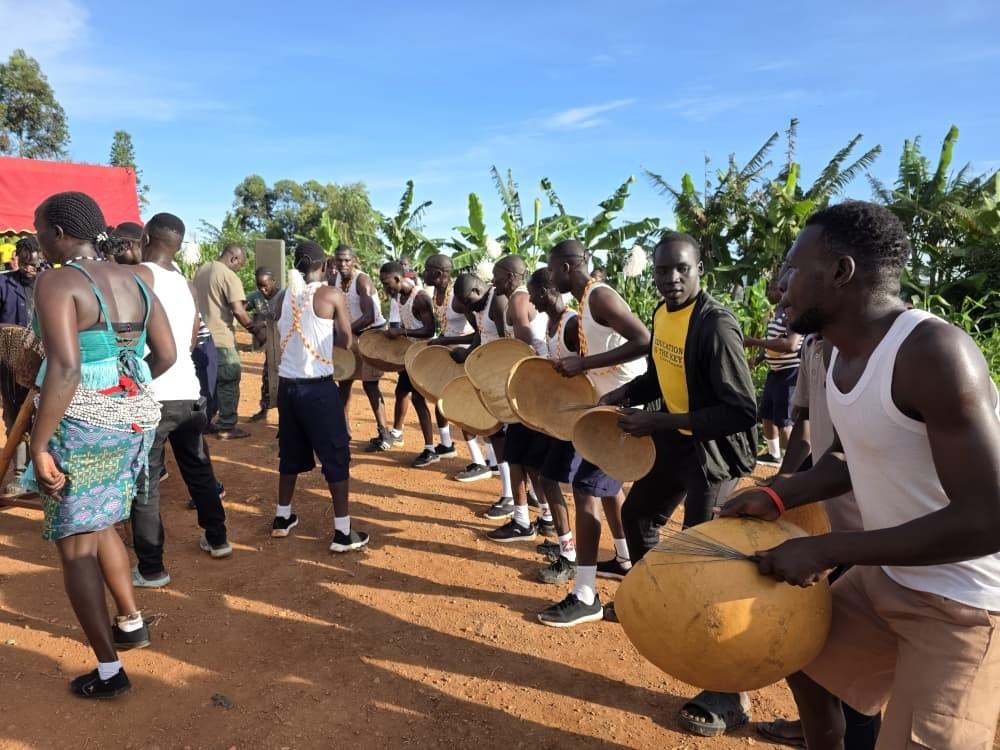
In April, the Jinja centre welcomed participants from the Social Nomads Impact Trip, who took part in cooking classes, Saturday programme activities with the children and their families, centre visits, and community engagement initiatives. Participants also attended the official opening of the new borehole in Kainogoga and visited Abba Father Junior School, where they had the opportunity to learn more about the Foundation's work and interact with beneficiaries.
On 17 April, the Foundation participated in a community clean-up and awareness campaign in Acholi Quarters. Together with children, staff, and community members, the team cleaned public spaces while encouraging residents to take greater responsibility for hygiene, sanitation, and community health.
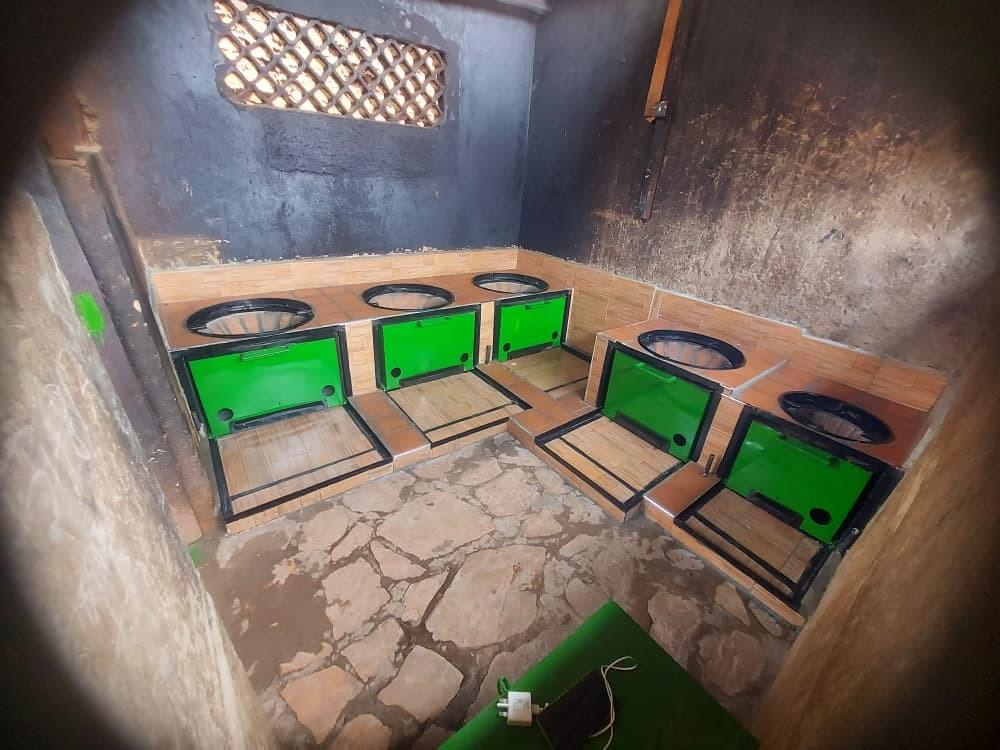
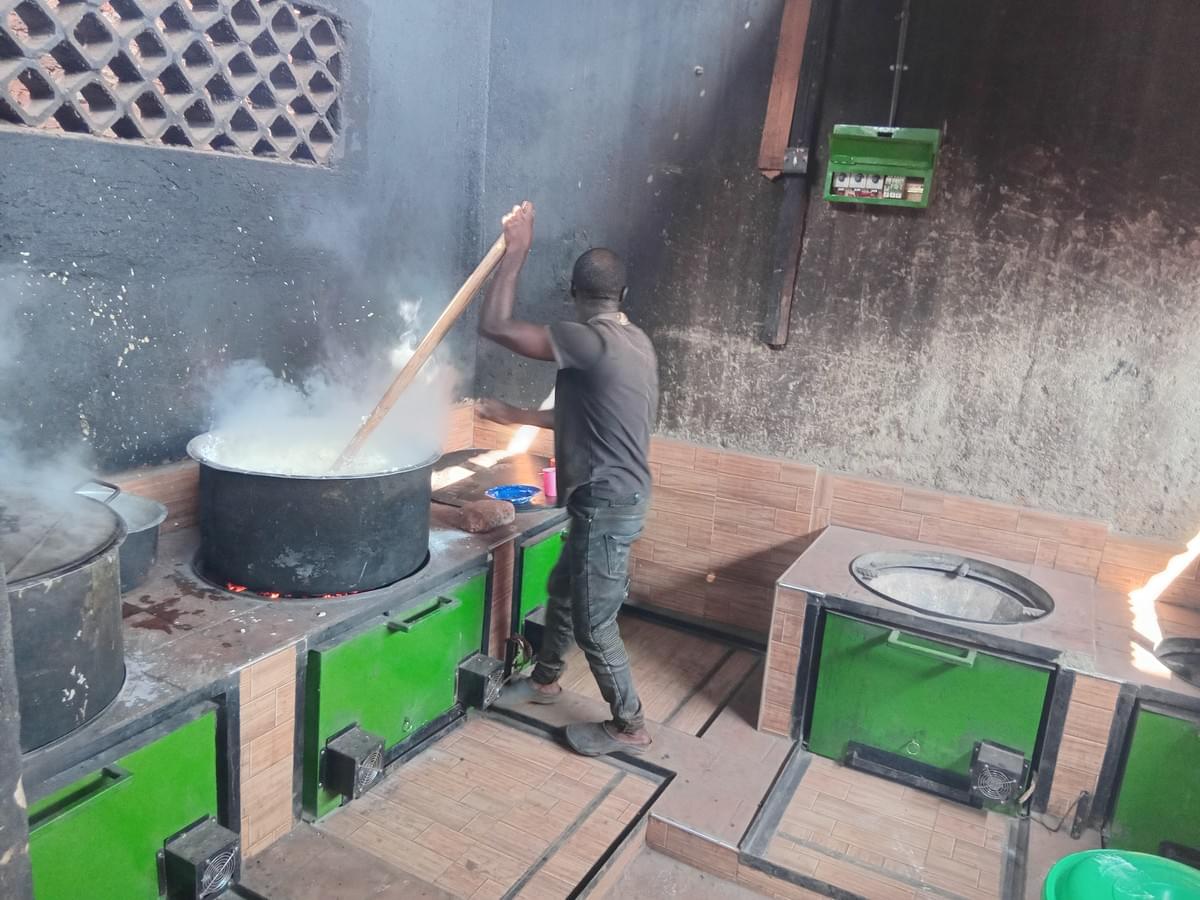
During the quarter, the Foundation also donated and oversaw the installation of a solar eco-stove at Abba Father Junior School. The new system is helping reduce reliance on firewood, creating a cleaner and healthier cooking environment for students and staff while supporting more sustainable energy use. Follow-up visits confirmed that the stove is functioning well and benefiting the school community.
Another important milestone was the continued expansion of access to clean water. Funding was secured for the construction of a new borehole in Musiima–Kainogoga. During the quarter, land surveying was completed, contractors were engaged, and drilling works commenced.
The Foundation also continued to provide operational support for the Jinja centre and completed the second phase of Term Two school fee payments, ensuring that sponsored children remained in school without interruption.
Regular visits to Abba Father Junior School continued throughout the quarter to monitor both the academic progress and wellbeing of the children, including those staying in the dormitories. These visits confirmed that the children are settling in well, enjoying their new environment, and remaining focused on their studies.
Overall, the quarter reflected the Foundation's commitment to improving children's lives through education, community engagement, sustainable development, family empowerment, and strong partnerships.